What is Cardiac Arrest?
Cardiac arrest happens when the heart suddenly stops beating. As a result, blood does not flow to the brain and other organs. This is a medical emergency. Without quick help, cardiac arrest can lead to death within minutes. According to the American Heart Association, fast action can double or triple survival chances. Therefore, knowing cardiac arrest first aid tips is important for everyone.
Key Signs and Symptoms
It is vital to know how to recognize cardiac arrest. Early signs can help you act fast. Look for these symptoms:
Sometimes, a person may have chest pain or feel dizzy before collapsing. However, cardiac arrest often happens without warning. So, always stay alert to these signs.
Immediate Steps to Take
When you see someone collapse, every second counts. Here are the emergency response for cardiac arrest steps:
Remember, quick action can save a life. Even if you are unsure, it is better to help than to wait.
How to Perform CPR
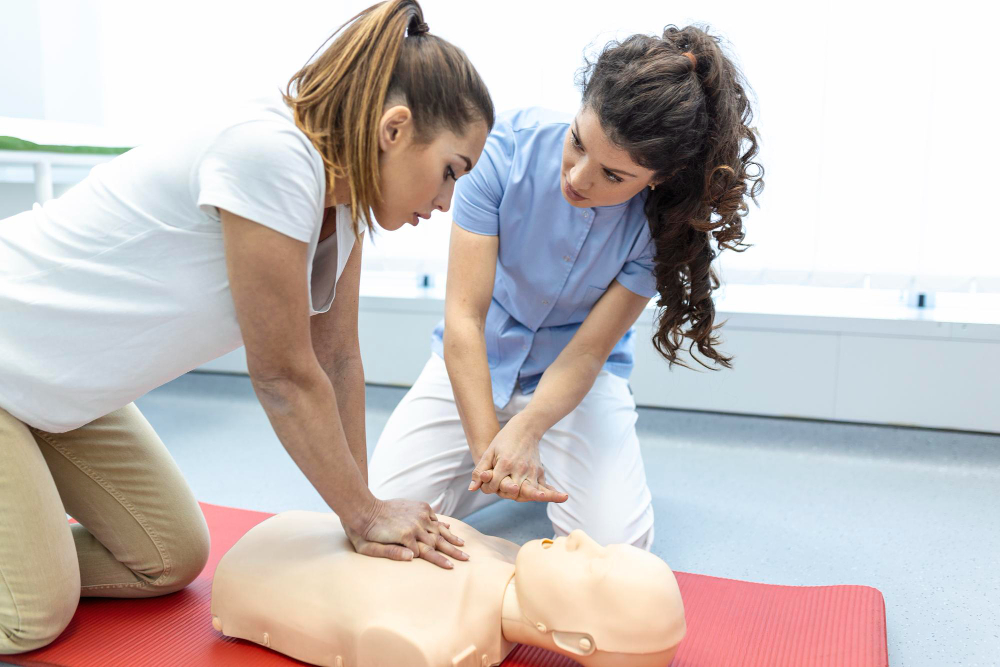
CPR, or cardiopulmonary resuscitation, helps keep blood flowing to the brain and heart. Here are simple CPR steps for adults:
Continue until help arrives or the person starts to move. For children or infants, CPR steps are different. Always follow local guidelines or take a certified course for more details.
Using an AED (Automated External Defibrillator)
An AED can help restart the heart. Many public places have AEDs for emergencies. Here is how to use an AED in emergencies:
Even if you have never used an AED, the device gives clear steps. So, do not be afraid to use it.
Prevention and Lifestyle Advice
While not all cases can be prevented, healthy habits lower your risk. Here are some tips:
Additionally, learn first aid for cardiac arrest and CPR. This knowledge can help you save lives in your community.
When to Seek Emergency Help
If you suspect cardiac arrest, act fast. Call emergency services right away. Do not wait for the person to wake up. Even if you are unsure, it is safer to get help. In some locations, emergency response times may vary. So, start CPR and use an AED if possible while waiting for help. Early action is the key to survival.
If you suspect cardiac arrest, call emergency services immediately and consult a healthcare professional at Ashok Krishna Hospital for further guidance.