What is High Cholesterol?
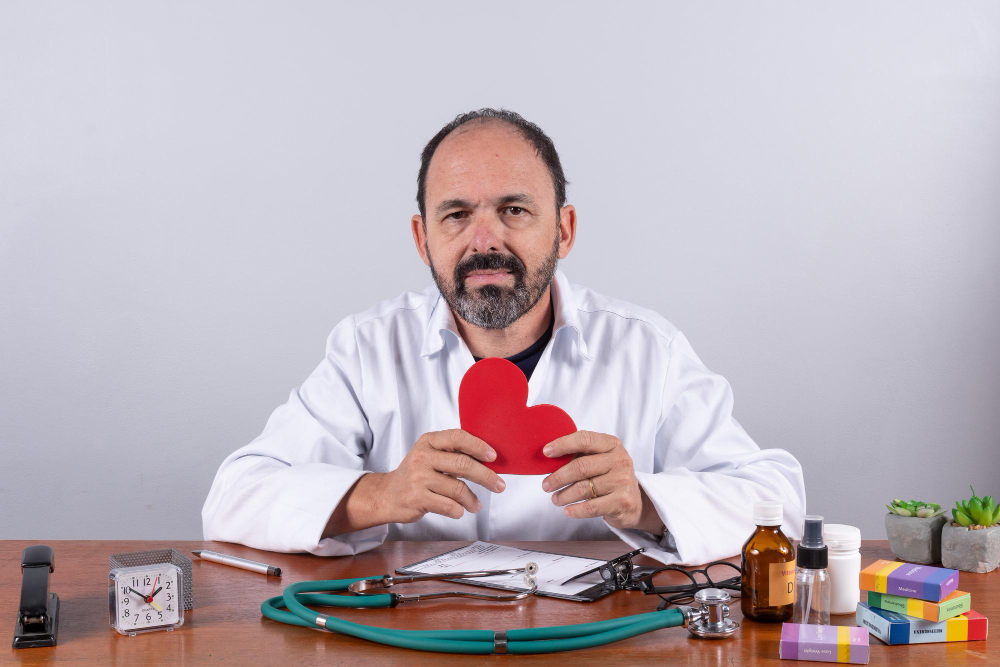
High cholesterol means there is too much cholesterol in your blood. Cholesterol is a fatty substance your body needs in small amounts. However, too much can cause health problems. Often, high cholesterol has no signs. Because of this, many people do not know they have it. Early detection of high cholesterol is important for your heart health.
Why is High Cholesterol a Hidden Danger?
Many people do not feel sick when they have high cholesterol. In fact, you may feel fine for years. However, high cholesterol can quietly damage your blood vessels. Over time, this can lead to serious heart problems. For example, it can cause heart attacks or strokes. That is why doctors call it a hidden danger.
Symptoms and Risk Factors
Usually, high cholesterol does not cause symptoms. Still, some people may notice signs if it leads to heart disease. For instance, chest pain or shortness of breath can happen. But these signs often appear late. Therefore, knowing your risk factors is key. Common risk factors include:
How High Cholesterol Affects Heart Health
Over time, high cholesterol can build up in your blood vessels. As a result, these vessels become narrow and hard. This makes it harder for blood to flow to your heart and brain. Because of this, you are at higher risk for heart attacks and strokes. According to the CDC, high cholesterol is a major cause of heart disease in Americans. So, protecting your heart early is very important.
Diagnosis: How to Detect High Cholesterol Early
Since high cholesterol has no clear symptoms, regular blood tests are needed. Your doctor will check your cholesterol levels with a simple blood test. This test is called a lipid panel. It measures:
Early detection of high cholesterol helps prevent heart problems. Therefore, adults should get their cholesterol checked every 4 to 6 years, or more often if they have risk factors.
Treatment Options and Lifestyle Changes
If you have high cholesterol, your doctor may suggest several steps. Often, lifestyle changes are the first step. For example, you can:
Sometimes, medicine is also needed. Your doctor may prescribe statins or other drugs to lower cholesterol. Always follow your doctor’s advice for the best results.
Prevention Tips for a Healthy Heart
Even if your cholesterol is normal, you can take steps to protect your heart. For instance, you can:
These tips help prevent high cholesterol and lower your risk of heart disease.
When to Consult a Cardiologist
If you have high cholesterol or a family history of heart problems, talk to your doctor. Sometimes, you may need to see a heart specialist, called a cardiologist. For example, consult a cardiologist if:
Early advice from a specialist can help you manage high cholesterol and protect your heart.
In summary, high cholesterol is a silent risk that can seriously affect your heart health. The good news is that early detection, lifestyle changes, and timely treatment can make a big difference.
If you’re concerned about your cholesterol levels, consult the cardiology specialists at Ashok Krishna Hospital for personalised guidance and a comprehensive heart health plan.