
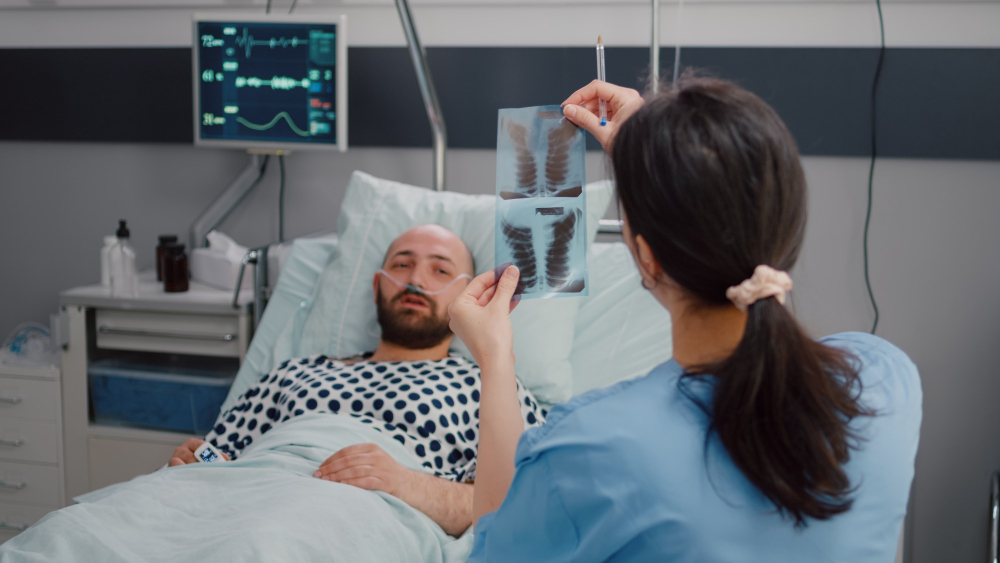
What is Pericardial Effusion?
Pericardial effusion is a condition where extra fluid builds up around the heart. Normally, the heart sits inside a thin sac called the pericardium. This sac holds a small amount of fluid to help the heart move smoothly. However, sometimes too much fluid collects in this space. As a result, the heart may not work as well. Early detection of pericardial effusion is important for good health.
Common Causes
Many things can lead to pericardial effusion. Some causes are mild, while others are more serious. Understanding the causes can help with prevention and treatment.
Signs and Symptoms
Often, pericardial effusion causes no symptoms at first. But as the fluid increases, symptoms may appear. Early signs can be mild, but severe cases need quick care. For example, you may notice:
If you have these symptoms, especially with chest pain or trouble breathing, seek help right away. Sometimes, pericardial effusion can lead to a life-threatening problem called cardiac tamponade.
Diagnosis
Doctors use several tests to find out if you have pericardial effusion. Early diagnosis helps prevent serious problems. Common steps include:
Doctors may also ask about your medical history and recent illnesses. This helps them understand the cause and plan treatment.
Treatment Options
Treatment for pericardial effusion depends on the cause and how much fluid is present. Sometimes, small effusions need only monitoring. However, larger or dangerous effusions require more care. Common treatments include:
Your doctor will choose the best treatment based on your symptoms and test results. Regular follow-up is important to check for changes.
Prevention and Lifestyle Tips
While not all cases can be prevented, some steps may lower your risk. For instance, you can:
Additionally, staying alert to new symptoms can help you catch problems early.
When to See a Doctor
If you notice signs of pericardial effusion, do not wait. For example, chest pain, trouble breathing, or swelling should prompt a visit to your doctor. Early care can prevent serious issues. Even mild symptoms should be checked if they do not go away. Remember, your doctor can guide you to the right tests and treatments.
If you notice symptoms of pericardial effusion, consult a specialist at Ashok Krishna Hospital for personalized guidance.